If you’re thinking about selling your home, have you considered the potential benefits of waterproofing? It’s not just about preventing water damage; it’s about increasing home value, by ensuring structural integrity and reducing future maintenance concerns. You could see an increase in your selling price by as much as 20%. But what are the best methods? And how do you find a reputable company to do the work? There’s plenty to ponder on this potentially profitable home improvement.
Key Takeaways
- Waterproofing protects home integrity, mitigating potential repair costs, and boosting buyer confidence, which can increase property value.
- Effective waterproofing reduces humidity, enhances energy efficiency, and lowers utility bills, adding to the home’s appeal.
- Proactive waterproofing can address potential issues before home inspections, preventing moisture build-up and mold, thus increasing the home’s marketability.
- Waterproofing serves as insurance against structural issues and mold infestations, saving homeowners from costly future repairs.
- Case studies show that waterproofing can increase a home’s value by up to 20% in competitive markets, providing a significant return on investment.
Understanding Home Waterproofing
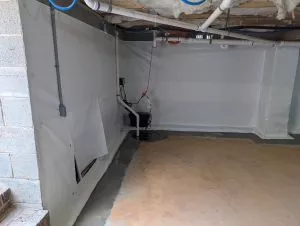 In the realm of home maintenance, understanding home waterproofing stands as a crucial aspect. It’s not just about keeping water out, but also about ensuring your property’s longevity. You might be wondering, “How does this work?” Well, it’s all about implementing effective drainage solutions and installing moisture barriers.
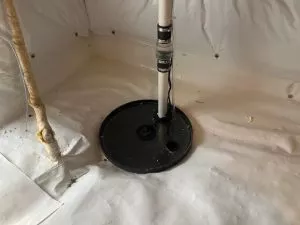
Drainage solutions work by directing water away from your home’s foundation. This is achieved through various methods, such as French drains, gutters, and downspouts. But, it’s not enough to just install these systems. You’ve got to maintain them, ensuring they’re free from debris and functioning correctly. After all, what’s the point of a drainage system if it isn’t working right?
Next up are moisture barriers. These are your home’s second line of defense against water. Installed in key areas, like your basement and crawl spaces, they prevent moisture from penetrating your home’s structure.
Moisture barriers come in different types, each with its own unique benefits. The key is choosing the right one for your specific needs.
In essence, home waterproofing isn’t just about prevention; it’s also about protection. So, don’t just think of it as an added home maintenance task. Consider it as an investment in your home’s future.
The Value of a Dry Basement
While you mightn’t give it much thought, a dry basement holds tremendous value in your home. Basement moisture can undermine foundation integrity, resulting in costly repairs and maintenance. Effective drainage solutions and humidity control not only safeguard your home’s structure but also contribute to energy efficiency.
By keeping your basement dry, you’re reducing the need for constant heating or cooling, thereby lowering your energy bills.
Mold prevention is another critical aspect. A damp basement is a breeding ground for mold, posing health risks and potential property insurance issues. By waterproofing, you eliminate this threat, contributing to a healthier living environment.
Furthermore, buyer perceptions play a significant role in determining your home’s resale potential. A dry, well-maintained basement gives potential buyers confidence in the quality of your property, potentially increasing its market value.
Moreover, waterproofing decreases long-term maintenance costs. Frequent repairs due to water damage can add up over time, but a one-time investment in waterproofing saves you from these expenses.
The Impact of Water Damage
Although you may not see the immediate effects, water damage can have severe repercussions on the structure and quality of your home. Over time, persistent water seepage weakens the integrity of the building’s foundation, causing cracks and instability. This is one of the key water damage causes that can significantly depreciate your home’s value.
Beyond structural issues, water damage fosters the growth of mold and mildew. These fungi not only bring an unpleasant odor, but can also pose serious health risks, especially to those with allergies or respiratory conditions.
The long term effects of water damage are far reaching and can even creep into your home’s electrical system, leading to potential fire hazards. Moreover, it can ruin insulation, leading to higher energy costs.
Your home’s cosmetic appeal takes a hit too. Peeling paint, warped flooring, and stained walls are unsightly and off-putting to potential buyers.
Understanding the damage water can inflict is crucial. It’s not just a minor inconvenience; it’s a ticking time bomb that can lead to costly repairs.
Waterproofing your home is a proactive solution that can save you money and enhance your home’s value.
Waterproofing and Home Inspections
Consider the significant role waterproofing plays during home inspections. When you’re selling your home, a thorough inspection is a crucial step. Buyers want to know they’re investing in a property that’s more than just aesthetically pleasing. They want assurance of structural integrity, and that’s where waterproofing shines.
Moisture detection during a home inspection can reveal underlying issues. If moisture is found, it’s a red flag that signals potential water damage, mold growth, or structural issues. By waterproofing your home beforehand, you’re proactively addressing these concerns, showing buyers you’ve taken steps to ensure the home’s longevity.
Let’s delve into three key benefits of waterproofing when it comes to home inspections:
- Issue Prevention: Waterproofing prevents moisture build-up, warding off problems like mold and structural damage.
- Increased Home Value: Homes with waterproofing measures in place can often command a higher selling price.
- Buyer Confidence: Showing proof of waterproofing during a home inspection fosters trust and confidence in potential buyers.
Waterproofing Methods for Your Home
Navigating through the myriad of waterproofing methods for your home can be daunting, but it’s an investment that reaps significant returns. The two most effective methods include interior drainage and exterior sealing.
Interior drainage involves installing a system that directs water away from your home’s foundation. It’s a robust solution that can handle substantial amounts of water, ensuring your home stays dry even during heavy downpours.
Exterior sealing, on the other hand, focuses on preventing water from infiltrating your walls in the first place. This usually involves applying a waterproof coating to your home’s exterior walls, providing an additional layer of protection against the elements.
Consider the following table to understand these methods better:
| Method | Pros | Cons |
|---|---|---|
| Interior Drainage | Handles large amounts of water, Prevents water damage to interior, Can be installed anytime | Requires professional installation, Can be expensive |
| Exterior Sealing | Prevents water infiltration, Protects exterior walls, Can be DIY | May need reapplication over time, Not suitable for extreme weather conditions |
Cost-Benefit Analysis of Waterproofing
Investing in home waterproofing may seem like a significant financial undertaking, but when you weigh the costs against the benefits, it’s a clear win.
This cost analysis isn’t just about dollars and cents; it’s about safeguarding your investment and maximizing your return.
Let’s break it down:
- Initial Costs: Yes, there’s a price tag attached to professional waterproofing, but consider this as preventive maintenance.
By taking action now, you’re avoiding potentially costly repairs down the line.
- Prevention of Damage: Waterproofing your home is an excellent insurance policy against water damage, structural issues, and mold infestations.
These can be costly to fix and could depreciate your home’s value if left unchecked.
- Increased Home Value: Waterproofing increases your property’s value.
Prospective buyers perceive this upgrade as a significant benefit, allowing you to command a higher selling price.
Waterproofing as a Selling Point
Consider waterproofing not just as a protective measure, but as a strategic investment that boosts your home’s market appeal.
When you waterproof your home, you’re adding a significant selling point that can increase property value and set your home apart in competitive real estate markets.
It’s an investment that pays off in both peace of mind and in financial returns when it’s time to sell.
Benefits of Waterproofing
With waterproofing, your house gains a competitive edge in the marketplace. It’s not just about keeping the rain out. It’s about protecting your investment, ensuring your home’s longevity, and presenting a home that’s cared for and maintained.
Waterproofing offers a slew of benefits that can make your home more appealing to potential buyers.
- Damage Prevention: Implementing drainage solutions and moisture barriers can prevent costly water damage. Water leaks can lead to structural damage, mold, and mildew, all of which can be expensive to fix.
Waterproofing safeguards your home from these issues.
- Energy Efficiency: Waterproofing can also enhance your home’s energy efficiency. A well-insulated, dry home requires less energy for heating and cooling, which can lead to savings on utility bills.
- Healthier Living Environment: Moisture can lead to mold and mildew, which can cause health problems.
Waterproofing your home provides a healthier living environment by preventing these issues.
Increasing Property Value
Your home’s value can see a considerable boost with the addition of waterproofing. It’s a significant selling point for potential buyers, providing reassurance that their investment is safe from water damage.
Not only does it protect the structure of your home, but it also enhances energy efficiency, a sought-after feature in today’s eco-conscious market.
Think about it. Waterproofing reduces the potential for dampness, which can lead to mold growth. This, in turn, can decrease the need for heating or cooling, enhancing energy efficiency and reducing costs. It’s a win-win situation!
Moreover, with waterproofing, landscaping improvements you’ve made gain added value. A well-landscaped yard can be ruined by poor drainage or water pooling.
But waterproofing ensures that your home and its surroundings are well-protected.
Real-Life Examples of Value Increase
Increasing your home’s value might be easier than you think. Waterproofing your property not only safeguards against potential damage but also increases its market value.
Don’t just take our word for it, let’s consider a few real-life case studies and homeowner testimonials.
- Case Study 1: A homeowner in Boston had a persistent issue with dampness in their basement. They decided to waterproof the area and later sold the house for 15% more than the estimated market price. The buyers were attracted by the added protection and longevity waterproofing provides.
- Case Study 2: A couple in Florida, known for its wet climate, waterproofed their home before putting it on the market. They received multiple offers within days and sold their home for 20% above the asking price.
- Homeowner Testimonial: A homeowner in Oregon shared their experience saying, “Waterproofing was a game changer. It not only solved our moisture problems but also boosted our home’s resale value significantly.”
These case studies and testimonials demonstrate that waterproofing isn’t just an expense, but an investment that can pay off when selling your home.
Considerations Before Waterproofing
While the benefits of waterproofing are clear, especially in terms of increasing your home’s value, it’s important to take a few things into account before you start the process.
First and foremost, you must assess the current condition of your home. Look for signs of existing water damage, such as mold, mildew, or water stains. These could indicate a more serious problem that needs addressing before waterproofing can be effective.
Secondly, consider your home’s drainage solutions. If your home lacks proper drainage, adding waterproofing mightn’t be as beneficial as you think. Good drainage systems are crucial for directing water away from your home’s foundation; therefore, improving these systems should be a priority.
Finally, think about the local climate and weather patterns. If you live in an area that experiences heavy rainfall or snowmelt, investing in waterproofing and moisture control could save you a lot of hassle and money in the long run.
Remember that the goal of waterproofing isn’t just to increase your home’s value, but also to ensure its longevity and the comfort of its inhabitants.
Therefore, it’s critical to consider all these factors before making a decision.
Finding Reputable Waterproofing Companies
 Navigating the myriad of waterproofing companies can seem like a daunting task. But don’t worry; by focusing your efforts on three key areas, you’ll be able to find a reputable company that’ll not only do the job right but also increase the value of your home.
- Customer Reviews: Begin by carefully scrutinizing customer reviews. They’re an invaluable resource for gauging the quality of a company’s work and customer service.
Look for patterns – if a company consistently receives praise for its punctuality and professionalism, that’s a good sign.
- Service Guarantees: Next, look for service guarantees. Reputable companies are confident in their work and aren’t afraid to back it up with a warranty.
This not only protects you as a homeowner but also shows that the company is committed to quality work and customer satisfaction.
- Accreditations and Certifications: Finally, check for industry accreditations and certifications.
These demonstrate a company’s commitment to staying up-to-date with the latest methods and safety regulations.
Frequently Asked Questions
Does Home Insurance Typically Cover Waterproofing Services?
Typically, your home insurance doesn’t cover waterproofing costs.
It’s primarily designed to protect against sudden, accidental damage rather than maintenance issues. Waterproofing is considered preventative maintenance, which is your responsibility as a homeowner.
However, investing in waterproofing can save you from future damage claims, thus potentially lowering your insurance premiums.
In the long run, it’s a wise investment for your property’s value and protection.
Can DIY Basement Waterproofing Be as Effective as Professional Services?
While you can tackle basement waterproofing using DIY techniques, it’s not always as effective as professional services.
Professionals have specialized tools and materials that most homeowners don’t. Plus, they bring years of experience and knowledge.
When you factor in the potential cost of mistakes or incomplete waterproofing, the cost comparison might lean towards hiring a pro.
How Long Does a Waterproofing Treatment Usually Last?
Wondering about the lifespan of a waterproofing treatment? It’s a crucial factor in assessing treatment effectiveness.
Typically, it can last up to 10 years, but this varies with the quality of work done and the conditions of your home.
It’s essential to maintain it properly to extend its lifespan.
Are There Any Eco-Friendly Waterproofing Methods Available?
Absolutely, there are eco-friendly waterproofing methods available.
You can use eco-friendly materials like clay, rubber, or silicate-based concrete sealers, which cause less harm to the environment.
Employing sustainable techniques like green roof systems or using recycled materials also contribute to a more eco-conscious approach.
Implementing these methods not only helps preserve our planet, but also adds a unique selling point to your property.
It’s a win-win situation!
Does the Climate or Geographical Location Affect the Need for Home Waterproofing?
Absolutely, your home’s location and local climate impact the need for waterproofing.
If you’re in a wet, humid area or a flood-prone region, waterproofing is crucial. It’s not just about increasing property value, but also preventing costly water damage.
In drier climates, it might seem unnecessary, but remember, unexpected weather events happen.
With geographic considerations in mind, it’s better to be safe than sorry.
So, you’re selling your home? Don’t overlook the value of waterproofing. It’s more than just avoiding water damage; it’s about increasing your home’s worth and appeal. With proper waterproofing, you can command higher selling prices and reassure buyers of a solid, low-maintenance home. It’s a smart investment that can potentially boost your home value by up to 20%. Do your research, find a reputable company, and watch your investment grow.

Rod Johnson, the Founder and President of Basement & Radon Solutions, has been in the construction industry for most of his life.
He began this company with a simple mission: To provide every customer with a wide variety of cost-effective solutions and a level of customer service that is unsurpassed in the industry.
Rod and his team of trained experts take pride in making sure that their customers are 100% satisfied with their service, and strive to provide a home-contractor experience that is difficult to find anywhere else.
Since 2001, Basement & Radon Solutions has been Western North Carolina’s most trusted basement waterproofing, crawl space encapsulation and foundation repair and radon mitigation experts. We hold ourselves to a higher standard and our customer service and work show just that. For 16+ years, Basement & Radon Solutions has been serving the residents of Upstate SC. We have continued to grow throughout the years by constantly studying the latest and best products available for basement waterproofing.
